
Exploring the realm of Occupational health and safety insurance policies, this article delves into the significance of these policies in ensuring workplace safety. From defining the policies to highlighting their importance, this comprehensive guide aims to shed light on a crucial aspect of organizational management.
Overview of Occupational Health and Safety Insurance Policies
Occupational Health and Safety Insurance Policies are insurance plans designed to protect employees and employers in the workplace by providing coverage for medical expenses, disability benefits, rehabilitation costs, and even death benefits resulting from work-related injuries or illnesses.
These policies play a crucial role in ensuring the well-being of workers and maintaining a safe working environment. By having occupational health and safety insurance in place, companies can mitigate financial risks associated with workplace accidents and injuries, as well as comply with legal requirements related to employee safety.
Importance of Occupational Health and Safety Insurance Policies
- Prevention of Financial Loss: Occupational health and safety insurance helps businesses avoid significant financial losses by covering the costs of medical treatment and compensation for injured employees.
- Legal Compliance: Many industries are legally required to have occupational health and safety insurance to protect workers and comply with regulations set by government authorities.
- Promotion of Safety Culture: By investing in these policies, employers demonstrate a commitment to prioritizing the health and safety of their employees, which can promote a positive safety culture within the organization.
Examples of Industries where Occupational Health and Safety Insurance Policies are Crucial
- Construction Industry: Due to the high-risk nature of construction work, having occupational health and safety insurance is essential to protect workers from accidents and injuries on construction sites.
- Manufacturing Sector: Factories and manufacturing plants are prone to workplace hazards, making it vital for employers in this sector to have comprehensive insurance coverage for their employees.
- Healthcare Facilities: Hospitals, clinics, and other healthcare settings involve exposure to various risks, making occupational health and safety insurance crucial to safeguard the well-being of healthcare workers.
Types of Occupational Health and Safety Insurance Policies
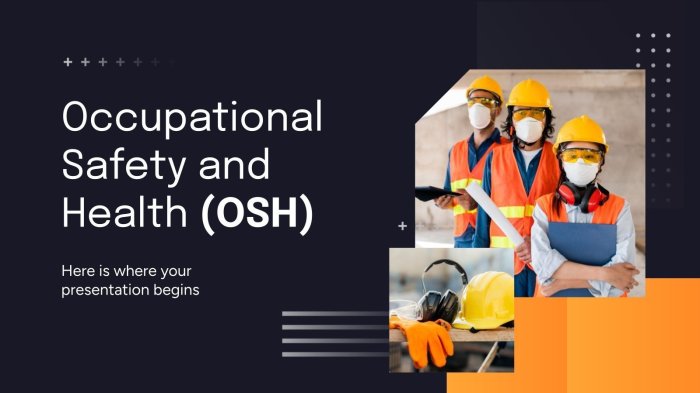
Occupational health and safety insurance policies come in various types, each offering different coverage for both employers and employees. Understanding the differences between these policies is crucial for ensuring a safe work environment.
Workers' Compensation Insurance
Workers' compensation insurance is a mandatory policy that provides coverage for employees who suffer work-related injuries or illnesses. This policy typically covers medical expenses, lost wages, and rehabilitation costs for the injured employee.
Employer's Liability Insurance
Employer's liability insurance covers employers in case an employee sues them for a work-related injury or illness. This policy helps protect the employer from legal expenses and settlements that may arise from such lawsuits.
General Liability Insurance
General liability insurance provides coverage for third-party bodily injury or property damage that occurs on the employer's premises. While not specific to occupational health and safety, this policy can still play a role in protecting both employers and employees.
Occupational Accident Insurance
Occupational accident insurance is a voluntary policy that offers coverage for employees who are injured while on the job. This policy can provide benefits such as medical expenses, disability benefits, and accidental death benefits.
Disability Insurance
Disability insurance provides income replacement for employees who are unable to work due to a disability, whether work-related or not. This policy can help employees maintain financial stability during their recovery period.
Health Insurance
Health insurance policies cover medical expenses for both work-related and non-work-related injuries or illnesses. While not specific to occupational health and safety, having health insurance can still benefit both employers and employees by ensuring access to necessary medical care.
Legal Requirements and Compliance
In the context of occupational health and safety insurance policies, it is essential to understand the legal framework that governs these policies, as well as the compliance requirements for employers in implementing them. Failure to comply with these regulations can have serious consequences for both employees and employers.
Legal Framework
The legal framework governing occupational health and safety insurance policies varies from country to country. In general, these policies are implemented to protect the well-being of employees in the workplace and ensure that employers take necessary precautions to prevent work-related injuries and illnesses.
Laws and regulations related to occupational health and safety insurance may include requirements for providing coverage for medical expenses, disability benefits, and compensation for lost wages due to work-related injuries.
Compliance Requirements for Employers
Employers are typically required to adhere to specific compliance requirements when implementing occupational health and safety insurance policies. This may involve conducting risk assessments, providing appropriate training to employees, maintaining a safe work environment, and ensuring that insurance coverage is in place to protect employees in case of accidents or injuries.
Failure to comply with these requirements can result in penalties, fines, and legal action against the employer.
Consequences of Non-Compliance
The consequences of non-compliance with occupational health and safety insurance regulations can be severe. Employers may face legal action, fines, and penalties for failing to provide adequate insurance coverage or for not implementing necessary safety measures in the workplace. In addition, employees may suffer from injuries or illnesses that could have been prevented with proper insurance coverage and safety protocols in place.
Non-compliance with these regulations can also damage the reputation of the company and lead to decreased employee morale and productivity.
Implementation and Management of Policies
Implementing and managing occupational health and safety insurance policies in a workplace is crucial for ensuring the well-being of employees and compliance with legal requirements. It involves setting up clear guidelines, training employees, and establishing monitoring systems to track policy adherence.
Process of Implementing Policies
- Develop a comprehensive policy: Create a detailed occupational health and safety insurance policy that Artikels expectations, procedures, and responsibilities.
- Communicate the policy: Ensure all employees are aware of the policy through training sessions, handbooks, and regular reminders.
- Provide necessary resources: Equip employees with the tools, equipment, and training needed to implement the policy effectively.
Strategies for Managing and Monitoring Policies
- Assign responsibility: Designate individuals or teams to oversee the implementation and monitoring of the policy.
- Regular audits and inspections: Conduct routine checks to ensure compliance and identify areas for improvement.
- Feedback mechanisms: Establish channels for employees to provide feedback on the policy’s effectiveness and suggest changes.
Best Practices for Integration
- Leadership support: Obtain buy-in from senior management to demonstrate the organization's commitment to occupational health and safety.
- Continuous improvement: Regularly review and update the policy to reflect changes in regulations, technology, and best practices.
- Celebrate successes: Acknowledge and reward employees who exemplify the values and practices Artikeld in the policy.
Final Thoughts
In conclusion, Occupational health and safety insurance policies play a vital role in safeguarding employees and businesses alike. By understanding the legal requirements, types of policies, and best practices for implementation, organizations can create a secure and compliant work environment.
Popular Questions
What are the benefits of Occupational health and safety insurance policies?
These policies protect employees from workplace hazards and help organizations avoid legal liabilities.
Which industries require strict adherence to occupational health and safety insurance policies?
Construction, manufacturing, and healthcare are examples of sectors where such policies are critical.
What happens if an employer fails to comply with the legal requirements for these policies?
Non-compliance can lead to fines, lawsuits, and reputational damage for the organization.